Unveiling the Benefits of Custom Rubber Solutions for Pulp Industry Challenges
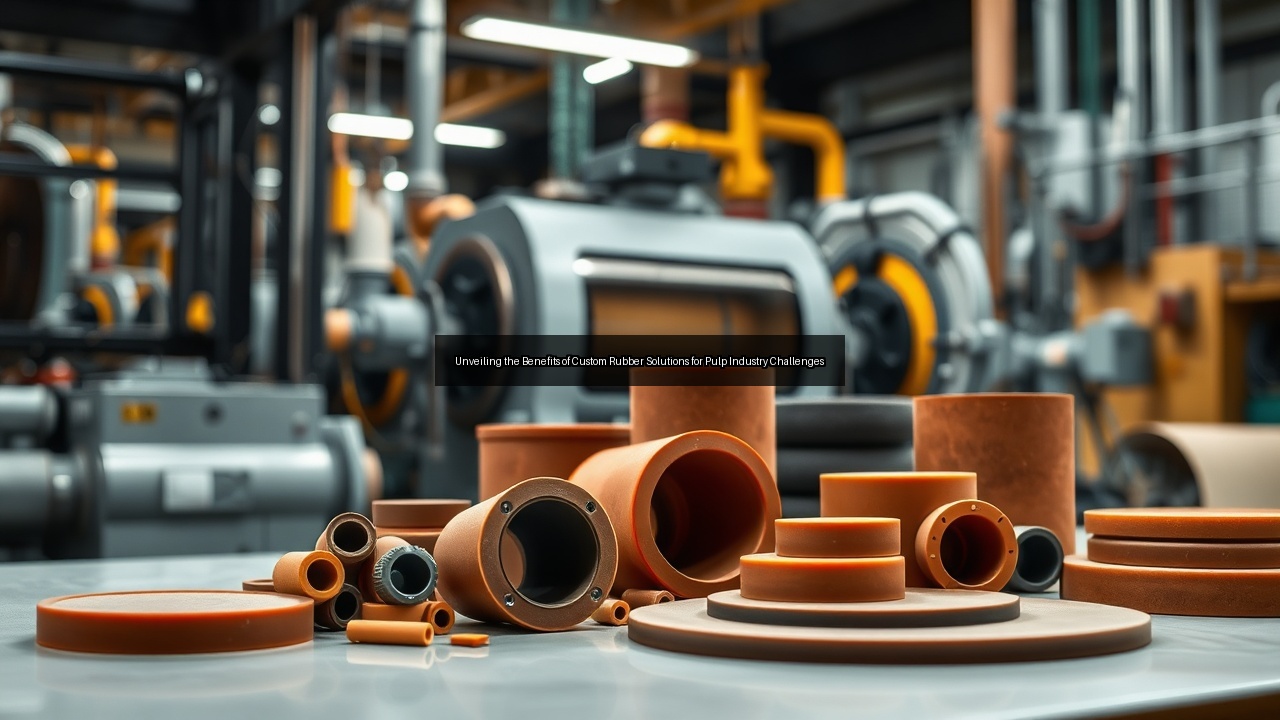
Understanding the Role of Rubber in the Pulp and Paper Industry
Importance of Rubber Products in Pulp Processing
Rubber products for the pulp & paper industry support every stage of fiber processing and sheet formation. Mills rely on these components to maintain seals in digesters, pumps, and presses where intense pressures and temperatures meet constant exposure to water, fibers, and process fluids. Custom rubber parts prevent leaks that would otherwise halt production lines and damage equipment. Operators choose tailored compounds because standard items fail quickly under the specific conditions of kraft or mechanical pulping. Rubber also cushions vibrating machinery, reduces noise, and protects metal surfaces from abrasion by wood chips and pulp slurries. Without reliable rubber solutions, downtime rises and maintenance costs climb. Plants that invest in purpose-built rubber products for pulp industry operations report steadier throughput and fewer emergency repairs. These materials handle both continuous runs and frequent grade changes without losing elasticity or sealing force. The result is consistent output quality and extended service life for critical assets.
Overview of Common Rubber Materials Used
Common choices include natural rubber for its high resilience and tear strength in low-chemical environments. Mills also use nitrile for oil resistance and neoprene for moderate weather and flame exposure. Each material offers distinct performance profiles that engineers match to exact process demands. Natural rubber excels in dynamic applications such as roll covers and conveyor skirting where flexibility matters most. Synthetic options provide better heat and ozone stability when lines run hot. Selection begins with mapping the temperature, pressure, and chemical profile of each equipment zone. Mills then test samples to confirm compression set and abrasion resistance before full installation. This systematic approach ensures rubber products for the pulp & paper industry deliver measurable reliability rather than generic performance. Documentation of material certificates and batch testing further supports traceability during audits.
Types of Custom Rubber Solutions for Pulp Industry Challenges

Natural Rubber vs. Synthetic Rubber Products
Natural rubber delivers superior bounce and abrasion resistance in mechanical pulp lines where fiber contact dominates. Synthetic rubber products for paper industry use, however, withstand higher temperatures and aggressive bleaching chemicals without rapid degradation. Engineers compare cost, expected service life, and replacement frequency when deciding between the two families. Natural rubber often costs less upfront yet requires more frequent inspection in chemical-heavy zones. Synthetic compounds justify higher initial prices through longer intervals between shutdowns. Mills track both options across identical equipment to measure actual wear rates. Data from these trials guide future specifications and spare-part inventories. The choice ultimately hinges on matching polymer chemistry to the precise mix of mechanical stress and chemical attack present in each application.
Applications of EPDM in Pulp Processing
EPDM, or ethylene propylene diene monomer rubber, resists steam, hot water, and many process chemicals found in bleaching and washing stages. Its saturated backbone maintains elasticity after repeated thermal cycling that would crack other elastomers. Pulp mills deploy EPDM gaskets around vacuum washers and thickeners where constant moisture and occasional acid dosing occur. The material also forms durable diaphragms in control valves that regulate stock flow. Because EPDM bonds well to metal inserts, fabricators create hybrid parts that combine sealing performance with structural strength. Operators appreciate its low compression set, which keeps joints tight over months of continuous service. When specifications call for ozone resistance near outdoor storage tanks, EPDM outperforms most alternatives without needing protective coatings.
Gaskets and Stoppers: Essential Components
Gaskets seal flange connections throughout stock pipelines and chemical feed systems. Custom dimensions ensure perfect fit even on older equipment with nonstandard bolt patterns. Stoppers close sample ports and drain lines during maintenance, preventing spills that could contaminate processes or violate environmental permits. A single well-designed stopper can replace multiple makeshift plugs and reduce leak points. Both components must tolerate the full range of pH levels and temperatures encountered in pulping. Fabricators mold them from compounds verified for low extractables so they do not affect pulp brightness or paper strength. Regular inspection schedules catch early signs of swelling or hardening before failures occur. Proper storage away from direct sunlight further extends the working life of these critical rubber products for pulp industry applications.
Advantages of Custom Rubber Products in Pulp Operations
Enhanced Durability and Resistance to Chemicals
Custom compounds incorporate specific fillers and cure systems that resist the exact chemicals present in each mill area. This targeted resistance slows surface cracking and maintains sealing force long after generic parts would require replacement. Mills document fewer leaks and lower emissions when they install parts engineered for their chemistry profiles. Resistance also extends to cleaning agents used during grade changes, reducing the risk of premature failure. The added durability translates directly into fewer unplanned stops and lower labor hours spent on part swaps. Over a full production year, these savings compound into meaningful budget relief.
Improved Efficiency in Vacuum Systems
Vacuum systems rely on tight seals at couch rolls, suction boxes, and washer drums. Custom rubber gaskets and diaphragms eliminate air ingress that reduces vacuum levels and slows drainage. Higher vacuum efficiency speeds water removal, allowing faster machine speeds without sacrificing sheet dryness. Operators notice immediate gains in energy use because pumps work against fewer leaks. Consistent vacuum also stabilizes basis weight and formation, improving overall paper quality. When mills upgrade to precision-molded rubber products for the pulp & paper industry, vacuum-related downtime drops sharply.
Cost-Effectiveness of Custom Solutions
Although custom parts carry higher per-unit prices, their longer service life and reduced failure rates lower total ownership cost. Mills calculate savings from avoided production losses, fewer emergency orders, and decreased inventory of multiple standard sizes. Bulk ordering of tailored components further reduces unit cost while ensuring compatibility across similar equipment. Over three to five years, the financial advantage becomes clear in maintenance ledgers and uptime reports. Custom rubber solutions therefore represent an investment rather than an expense.
Innovations in Rubber Products for the Pulp and Paper Industry
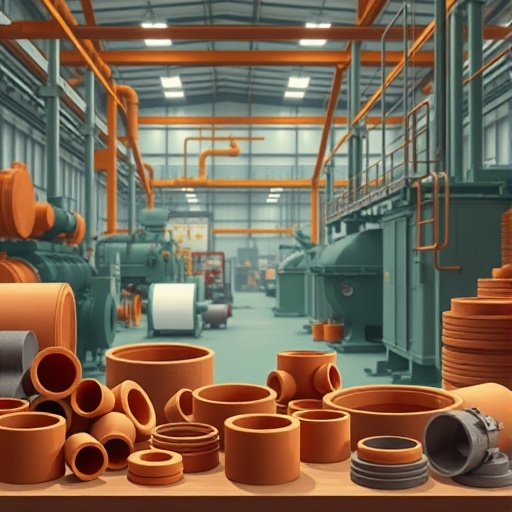
Emerging Technologies in Rubber Manufacturing
Modern compounding software predicts polymer behavior under specific process conditions before any material is mixed. Additive manufacturing now produces prototype gaskets within hours instead of weeks, accelerating design validation. Sensors embedded in rubber parts transmit real-time data on temperature and compression, enabling predictive maintenance that prevents sudden failures. These advances shorten development cycles and raise confidence in new installations. Mills adopting such tools gain earlier access to optimized rubber products for pulp industry challenges.
Sustainability Trends in Rubber Production
Suppliers now offer compounds with higher recycled content and bio-based oils that maintain performance while lowering environmental impact. Closed-loop processes reclaim scrap rubber from trimming operations and return it to new parts. Mills track the carbon footprint of each rubber component as part of broader sustainability reporting. These trends align operational needs with corporate responsibility goals without sacrificing durability or chemical resistance. The shift also supports compliance with tightening regulations on industrial waste.
Choosing the Right Rubber Solutions for Your Pulp Operations
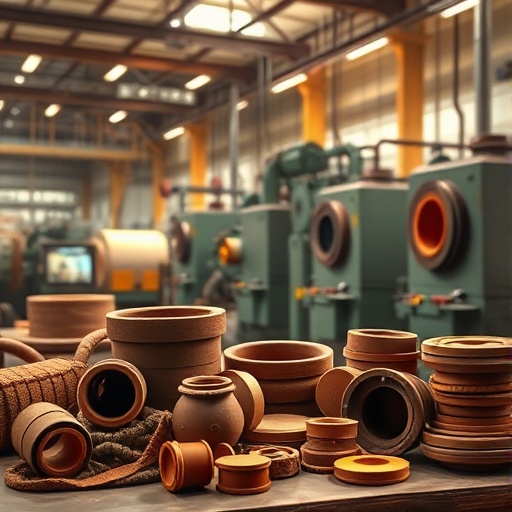
Factors to Consider When Selecting Rubber Products
Engineers evaluate temperature range, chemical exposure, mechanical load, and required service interval before finalizing any specification. They also review supplier quality systems and past performance in similar mills. Trial installations on noncritical equipment provide real-world data before full rollout. Documentation of test results and material traceability supports both internal approvals and external audits. A structured selection process avoids costly mismatches and ensures rubber products for the pulp & paper industry perform as expected from day one.
Case Studies: Successful Implementations of Custom Rubber Solutions
One integrated mill switched from standard gaskets to custom EPDM profiles on its vacuum washers and recorded a 40 percent drop in seal-related stops over eighteen months. Another facility installed precision stoppers in chemical feed lines and eliminated recurring leaks that had previously required daily attention. A third plant upgraded roll covers using a high-resilience natural rubber compound and increased machine speed by three percent while cutting energy draw. In each case, the operations team collaborated with the supplier to define exact conditions, then monitored performance through scheduled inspections. Results included longer part life, lower maintenance budgets, and improved overall equipment effectiveness. These examples illustrate how targeted rubber products for pulp industry needs deliver measurable operational gains. The CAT pulp mill further demonstrated success when it decided to switch its entire vacuum system to ethylene propylene diene monomer rubber components, confirming the approach across multiple lines.
See Also
- From Stoppers to Gaskets Discover Essential Rubber Components for the Paper Industry
- The Essential Guide to Choosing Rubber Products for Pulp and Paper Applications
- Exploring the Role of Natural Rubber in Sustainable Pulp Production
- The Future of Rubber in the Pulp and Paper Sector Sustainable Practices and Innovations
- Innovative Rubber Solutions Driving Efficiency in the Pulp and Paper Industry