The Cost-Effectiveness of Using Blind Flanges in Industrial Settings
Understanding Blind Flanges and Their Role in Industrial Infrastructure
Definition and Primary Purpose of Blind Flanges
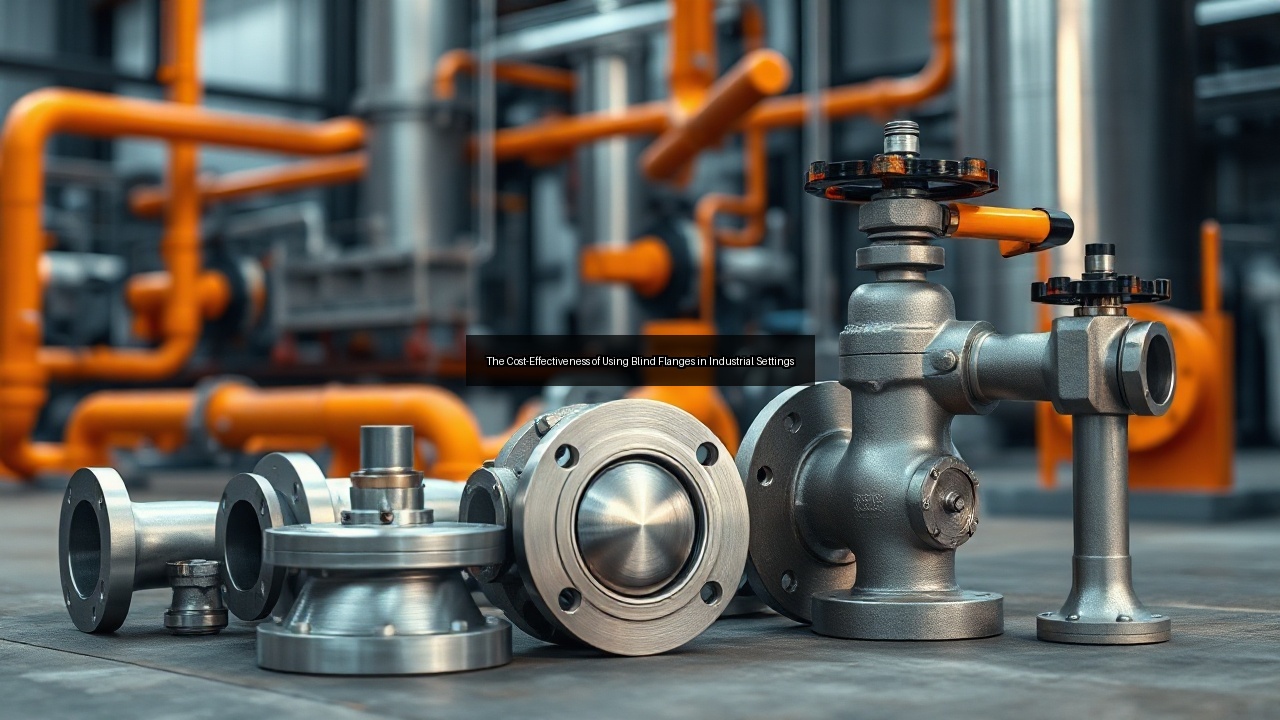
Blind flanges serve a crucial role in industrial piping systems. They function as flat plates that seal the end of a pipe or fitting, effectively closing off openings. This design prevents the flow of fluids and gases, creating a secure barrier. The primary purpose of blind flanges is to enable easy maintenance and modification of piping systems without the need for extensive alterations. When a section of a pipeline requires servicing or inspection, operators can simply remove the blind flange, allowing access to the interior of the pipe. Their simplicity and effectiveness make them indispensable components in various industrial applications.
Common Applications in Oil and Gas Industries
In the oil and gas industries, blind flanges find extensive use due to their ability to withstand high pressures and harsh environments. Operators utilize these flanges in pipelines transporting crude oil, blind flange seal natural gas, and refined products. Blind flanges also play a vital role in pressure testing systems; by sealing off sections of pipes, they allow for effective pressure assessments without risking leaks. Their reliability in such critical applications significantly contributes to the safety and integrity of oil and gas infrastructure. Moreover, these flanges accommodate the operational demands of fluctuating temperatures and corrosive substances, emphasizing their importance in maintaining operational efficiency.
Comparison with Other Flange Types
Blind flanges differ from other flange types like slip-on flanges and threaded flanges in both functionality and design. Unlike slip-on flanges, which allow for the easy addition or removal of piping, blind flanges serve solely to close off a pipeline. Threaded flanges, on the other hand, can be more susceptible to leaks, especially under high-pressure conditions. Blind flanges are often preferred in environments requiring maximum security and reliability. Their robust construction and ability to handle stress make them a superior choice in many industrial contexts, particularly when compared to their counterparts. This distinction is essential for engineers and project managers when selecting the right components for their applications.
Cost-Effectiveness Analysis of Blind Flanges
Initial Investment vs. Long-Term Savings
Investing in blind flanges often leads to significant long-term savings for industrial facilities. While the initial cost of acquiring these flanges may be higher than some other fittings, their durability and reliability quickly offset this expense. Facilities experience fewer shutdowns and interruptions, as blind flanges effectively prevent leaks and failures. By minimizing the risk of catastrophic events, operators avoid costly repairs and potential environmental fines. Additionally, the need for less frequent maintenance enhances overall operational efficiency. Over time, these savings can accumulate, making blind flanges a financially prudent choice for industries where reliability is paramount.
Impact on Infrastructure Maintenance Costs
Blind flanges contribute to lowering infrastructure maintenance costs significantly. Their robust design reduces the likelihood of leaks and structural failures, which often lead to expensive repairs and downtime. In industries such as oil and gas, where the cost of interruptions can be astronomical, blind flanges play a pivotal role in ensuring continuous operation. Additionally, the ease of access they provide for maintenance tasks simplifies the inspection and repair processes, further cutting costs. Facilities can schedule routine maintenance more effectively, optimizing resource allocation and minimizing labor expenses. The resulting decrease in unplanned outages translates into a more reliable and cost-effective operation.
Case Studies: Successful Implementation in Steel Pipe Systems
Numerous case studies highlight the successful implementation of blind flanges in steel pipe systems. In one instance, a major oil refinery incorporated blind flanges into their pipeline infrastructure to enhance safety and efficiency. The refinery reported a 30% reduction in maintenance-related downtime due to the flanges' ability to prevent leaks and facilitate quick access for inspections. Another case involved a municipal water treatment facility that utilized blind flanges to seal off portions of its piping for routine maintenance. This approach led to significant cost savings and improved reliability in their systems. These examples illustrate how blind flanges can transform the operational dynamics of industrial facilities.
Enhancing Reliability and Safety with Blind Flanges
Preventing Leaks and Failures in Pipeline Systems
Blind flanges significantly enhance the reliability and safety of pipeline systems by preventing leaks and failures. In environments where high pressures and corrosive materials are common, the integrity of every component is vital. Blind flanges provide a dependable seal that minimizes the risk of leakage, which can lead to catastrophic events and safety hazards. Their ability to withstand stress and pressure makes them ideal for critical applications, especially in the oil and gas sector. By reducing the likelihood of leaks, operators can maintain continuous production and protect both personnel and the environment from potential risks.
The Role of Gaskets and Seals in Blind Flange Applications
Gaskets and seals play a pivotal role in the performance of blind flanges. These components ensure a tight seal between the flange and the pipe, preventing fluids and gases from escaping. The choice of gasket material is crucial; it must withstand the specific pressures and temperatures of the operating environment. Common materials include rubber, PTFE, and metal, each offering different levels of resistance to temperature and chemical exposure. Proper installation and maintenance of gaskets enhance the effectiveness of blind flanges, further reducing the risk of leaks. This interplay between gaskets and flanges underscores the importance of selecting high-quality materials for optimal performance.
Testing and Quality Standards: ASME Compliance
Compliance with ASME (American Society of Mechanical Engineers) standards is essential in ensuring the quality and reliability of blind flanges. ASME sets stringent guidelines for the design, manufacturing, and testing of piping components to ensure safety and performance. Blind flanges manufactured to ASME standards undergo rigorous testing to verify their ability to withstand pressure and temperature fluctuations. Facilities that adhere to these standards not only enhance the safety of their operations but also improve their overall reputation in the industry. By prioritizing ASME compliance, operators can confidently rely on the integrity of their piping systems, knowing they meet the highest industry standards.
Material Considerations for Blind Flanges
Choosing Between Carbon Steel and Stainless Steel
The choice between carbon steel and stainless steel for blind flanges significantly impacts performance and cost. Carbon steel flanges are generally more economical and suitable for many applications. However, they may not offer the same level of corrosion resistance as stainless steel. On the other hand, stainless steel flanges, while typically more expensive, provide superior durability and resistance to corrosion, making them ideal for harsh environments, such as those found in oil and gas industries. The decision hinges on the specific demands of the application, including the type of fluids being transported and the environmental conditions. Understanding the pros and cons of each material informs better procurement decisions.
Impact of Material Selection on Performance and Cost
Material selection directly correlates with both performance and cost in blind flange applications. Using high-quality materials may increase initial costs but yields long-term benefits such as enhanced durability and reduced maintenance needs. Carbon steel flanges, while budget-friendly, may require more frequent replacements in corrosive environments, thus increasing overall costs over time. Conversely, stainless steel options, though pricier upfront, often result in lower lifecycle costs due to their longevity and reduced maintenance requirements. Operators must carefully evaluate their material choices based on the anticipated conditions and financial constraints to ensure the best return on investment.
Corrosion Resistance and Longevity of Flanges in Various Environments
Corrosion resistance is a critical factor when selecting blind flanges. Environments exposed to moisture, chemicals, or extreme temperatures necessitate materials that can withstand these conditions without degrading. Stainless steel flanges excel in such scenarios, offering enhanced longevity and performance reliability. Carbon steel flanges, while effective in less corrosive environments, may require protective coatings or regular maintenance to mitigate rust and corrosion. The longevity of blind flanges directly affects the overall maintenance strategy of industrial systems, influencing everything from repair schedules to operational uptime. Understanding the environmental factors at play ensures that operators choose the right materials for their specific needs.