How Gear Lubrication Impacts Your Vehicle's Longevity
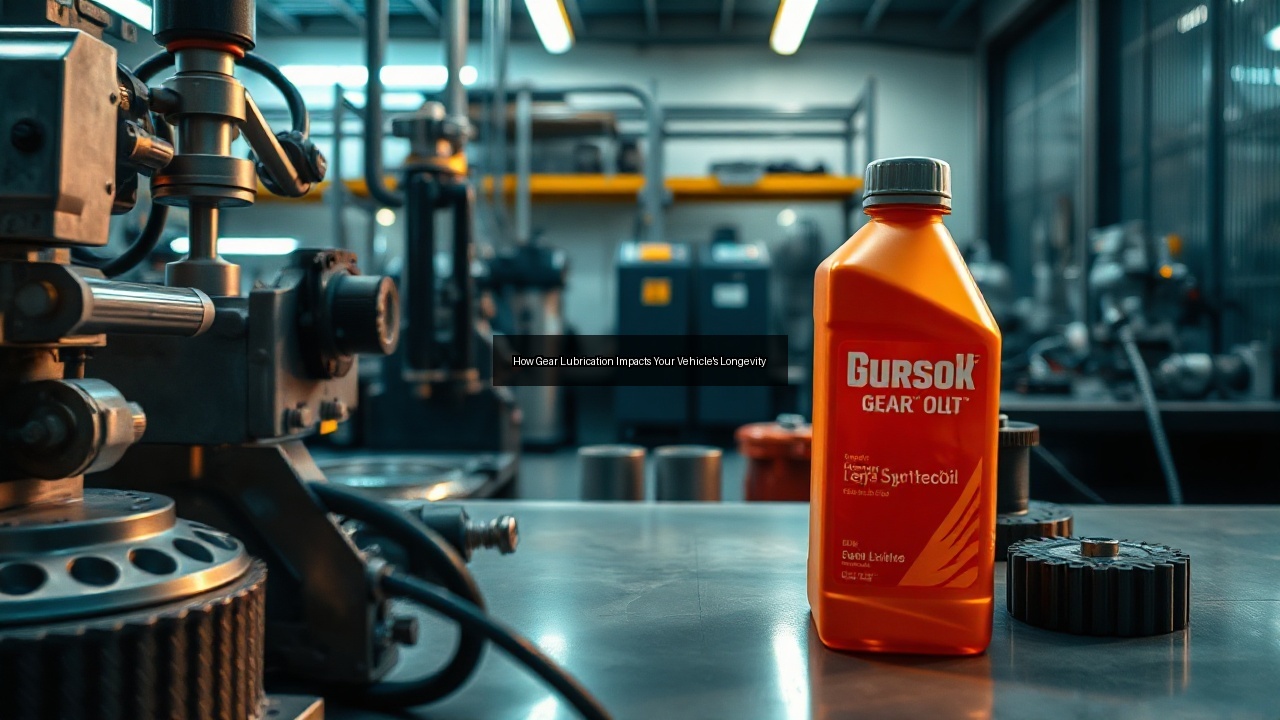
The Importance of Gear Lubrication in Vehicle Longevity
Understanding Gear Lubricants and Their Functions
Gear lubrication plays a pivotal role in maintaining the health and longevity of your vehicle. Gear lubricants, commonly referred to as gear oils, serve multiple functions beyond mere lubrication. They reduce friction, dissipate heat, and protect against wear and corrosion, ensuring that the gears operate smoothly. In automotive applications, gear oils are specifically formulated to meet the unique demands of various systems, including transmissions and differentials. The right gear lubricant creates a protective barrier that keeps metal surfaces from coming into direct contact, significantly lowering the risk of damage. This protective feature is vital for maintaining performance, as any degradation in lubrication can lead to mechanical failures and costly repairs.
How Lubricants Reduce Wear and Tear
Lubricants minimize wear and tear through a mechanism called hydrodynamic lubrication, which maintains a film of oil between moving parts. This film prevents direct metal-to-metal contact, a primary cause of wear in gears. Gear lubricants contain additives that enhance their performance, such as anti-wear agents, which provide additional protection against friction and abrasion. Over time, without adequate lubrication, the surfaces of gears can develop microscopic pits and grooves, leading to premature failures. Regularly changing the gear oil not only replenishes these protective additives but also removes contaminants that accumulate over time, further extending the life of your vehicle's components.
The Role of Gear Oil in Transmissions and Differentials
Gear oil plays a crucial role in the functioning of transmissions and differentials, two critical components in most vehicles. In manual transmissions, gear oil allows for smooth gear shifts, enhancing driver control and overall performance. Similarly, in differentials, gear oil ensures that power is effectively transferred from the engine to the wheels, allowing for smooth cornering and handling. The viscosity of the gear oil is essential here; it must remain fluid under varying temperatures and pressures to provide optimal lubrication. Choosing the right gear lubricant tailored to your vehicle’s specifications can significantly impact its performance and longevity, making it a key aspect of vehicle maintenance.
Types of Gear Oils and Their Impact on Performance
Synthetic vs. Conventional Gear Oils
The choice between synthetic and conventional gear oils can greatly influence your vehicle's performance. Synthetic gear oils, crafted from advanced chemical formulations, offer superior protection and performance compared to conventional oils derived from crude oil. They provide excellent thermal stability, reducing the risk of thermal degradation at high temperatures. This stability translates to longer oil life and better performance in extreme conditions. Although synthetic oils often come at a higher price point, their benefits—such as improved fuel efficiency and enhanced protection against wear—often justify the investment. On the other hand, conventional gear oils are suitable for older vehicles or those with less demanding lubrication needs. Understanding the differences between these two types is essential for making an informed decision about gear lubrication.
Understanding SAE Ratings and API Standards
SAE (Society of Automotive Engineers) ratings and API (American Petroleum Institute) standards provide guidelines for selecting the appropriate gear oil. SAE ratings indicate the oil’s viscosity, with lower numbers representing thinner oils and higher numbers indicating thicker oils. For instance, gear oil with an SAE rating of 75W-90 is suitable for a wide range of temperatures, making it versatile for various driving conditions. API standards classify gear oils based on their performance characteristics, ensuring they meet specific requirements for protection and efficiency. Always refer to your vehicle's owner's manual for the recommended SAE and API specifications, as using the wrong type can lead to inadequate lubrication and increased wear.
Choosing the Right Gear Lube for Your Vehicle
Selecting the correct gear lube involves considering several factors, including your vehicle’s make, model, and intended use. Some vehicles perform best with synthetic oils, especially those designed for high-performance applications or extreme driving conditions. Always consult your owner’s manual to identify the recommended gear lubricant and specifications. Additionally, consider your driving habits. Frequent stop-and-go traffic, towing, or off-road driving can necessitate a higher-quality lubricant to provide adequate protection. Investing in the right gear oil not only enhances your vehicle’s performance but also contributes to its longevity, making it essential for any responsible vehicle owner.
Effects of Temperature and Pressure on Gear Lubrication
Thermal Degradation: What You Need to Know
Thermal degradation significantly impacts gear oil performance. High temperatures can break down the chemical structure of lubricants, reducing their effectiveness and leading to increased friction and wear. Gear oils are formulated to withstand specific temperature ranges, but prolonged exposure to extreme heat may cause them to lose their viscosity and lubricating properties. This degradation can also lead to the formation of sludge and deposits that clog gear mechanisms. Regularly monitoring and changing your gear oil can help counteract thermal degradation, ensuring that your vehicle’s components remain well-lubricated and protected from heat-related damage.
Pressure and Its Role in Effective Lubrication
Pressure plays a crucial role in the effectiveness of gear lubrication. Under high loads, gear oils must maintain their film strength to prevent metal-to-metal contact. Inadequate lubrication under these conditions can lead to significant wear and even catastrophic failures. Gear lubricants are designed to perform well under pressure, with additives that enhance their load-carrying capacity. It’s essential to choose a gear oil that can withstand both the pressure of the application and the specific requirements of your vehicle’s components. Regular checks of oil levels and conditions also help ensure that your lubrication system functions optimally, particularly under demanding driving conditions.
How Extreme Conditions Affect Gear Oil Performance
Extreme driving conditions, such as off-roading or towing heavy loads, put substantial stress on gear oils. High temperatures and pressures can accelerate the breakdown of lubricants, leading to reduced performance and increased wear. Additionally, exposure to contaminants like dirt, water, and debris can further compromise the integrity of gear oils. In these situations, using a high-performance synthetic gear oil can provide the necessary protection. These oils often contain enhanced additives that improve their resilience in extreme conditions. Regular maintenance, including oil changes and inspections, becomes even more critical when operating in challenging environments to ensure that your vehicle's gear lubrication remains effective.
Maintenance Tips for Optimal Gear Lubrication
Signs Your Gear Oil Needs Changing
Paying attention to signs that your gear oil needs changing can save you from costly repairs. Dark, dirty oil or oil with a burnt smell often indicates degradation and contamination. Additionally, if you notice grinding noises or difficulty in shifting gears, it may signal inadequate lubrication. Regularly checking the oil level can also help; low levels might indicate leaks or excessive wear. Following the manufacturer’s recommended intervals for gear oil changes is crucial. Adopting this proactive maintenance approach ensures that your vehicle’s gear lubrication remains optimal, extending the life of the gears and improving overall performance.
Best Practices for Gear Lubrication in Manual Transmissions
Manual transmissions require specific best practices to maintain effective gear lubrication. Start by using the manufacturer-recommended gear oil, as it is tailored to the unique requirements of the transmission. Regularly inspect and top off the gear oil to prevent low levels that can lead to increased wear. When changing the oil, ensure that the old lubricant is fully drained to avoid contamination. It's also advisable to inspect the transmission for signs of wear or damage during oil changes. This routine helps identify issues early, allowing for timely repairs and maintaining optimal gear lubrication.
Regular Maintenance: Extending the Life of Your Gears
Regular maintenance is key to extending the life of your vehicle’s gears and ensuring optimal gear lubrication. Schedule routine inspections to check oil levels, conditions, and for any leaks. Following the recommended gear oil change intervals and using the right type of lubricant tailored to your vehicle’s needs can greatly impact overall performance. Additionally, consider the driving conditions; if you frequently drive in extreme temperatures or heavy loads, more frequent oil changes may be necessary. By prioritizing gear lubrication maintenance, you enhance your vehicle’s performance and longevity, ultimately saving time and money in the long run.