Harnessing the Power of Ceramics in Modern Welding Processes
Introduction to Ceramics in Welding
The Role of Ceramic Materials in Modern Welding
Ceramic materials play a pivotal role in enhancing the quality and efficiency of modern welding processes. Their inherent properties, such as high temperature resistance, low thermal conductivity, and excellent insulating capabilities, make them ideal candidates for backing materials during welding operations. The application of ceramic backing for welding significantly improves the integrity of welds by minimizing defects such as burn-through and warping, especially in thin-walled materials like aluminum. Welders benefit from the use of ceramics, as they create a stable environment for the molten metal, allowing for cleaner and more precise welds. The durability of these materials ensures that they can withstand the rigors of high-temperature welding applications, thus extending the lifespan of the backing itself.
Advantages of Using Ceramic Backing for Welds
Utilizing ceramic backing for welds offers several advantages over traditional backing materials. One primary benefit is the reduction of heat loss, which is crucial in processes like TIG welding, where precision is paramount. Ceramic backings maintain the heat in the weld area, promoting better fusion and a more robust weld joint. Additionally, these materials are non-combustible, providing a safer working environment for welders. The efficiency of ceramic backings also translates to cost savings, as less energy is required to achieve optimal welding temperatures. Furthermore, ceramic materials resist contamination, allowing for cleaner welds that require less post-weld cleanup. Overall, the integration of ceramic backing into welding processes enhances weld quality, operational efficiency, and safety for welders.
Types of Ceramic Backing Materials
Common Ceramic Backing Materials in Welding
Several types of ceramic backing materials are commonly used in welding, each offering unique properties suited for different applications. Alumina-based ceramics are among the most popular due to their high melting point and thermal stability. They provide excellent insulation and are particularly effective in processes like MIG and GMAW, where heat control is essential. Another noteworthy option is zirconia, known for its toughness and resistance to thermal shock, making it ideal for high-stress welding environments. Additionally, composite ceramics, which combine various materials, have emerged as versatile options that balance properties like strength and thermal resistance. These materials are often used in specialized applications, including marine welding, where exposure to harsh environments necessitates superior performance. Understanding the characteristics of these ceramic materials enables welders to select the appropriate backing for their specific welding needs.
Comparative Analysis of Ceramic Backings vs. Traditional Backings
Comparing ceramic backings to traditional backing materials reveals significant advantages that underline the value of ceramics in welding. Traditional materials, often made from cloth or metal, tend to absorb heat, leading to uneven welds and potential warping of the base metals. In contrast, ceramic backings reflect heat, providing a more controlled welding environment. This reflective property is particularly beneficial in high-speed processes, such as plasma cutting and laser welding, where precision is crucial. Moreover, ceramic backings offer superior durability, able to withstand repeated use without degrading, unlike traditional materials that may require frequent replacements. The enhanced performance of ceramics leads to higher-quality welds, reduced rework, and increased productivity. This comparative analysis highlights the clear benefits of adopting ceramic backing materials in modern welding practices.
Applications of Ceramic Backing in Different Welding Techniques
Ceramic Backing in TIG Welding
Ceramic backing proves invaluable in TIG welding applications, where precision and control are paramount. The need for a stable, insulated environment is critical, especially when welding thin materials that are prone to burn-through. Using ceramic backings allows welders to maintain consistent heat levels, ensuring that the weld pool remains stable throughout the process. This stability not only enhances the quality of the weld but also reduces the risk of defects, such as porosity or cracks. Additionally, ceramic backings help in producing aesthetically pleasing welds, a significant consideration in industries where appearance matters, such as in automotive or artistic applications. The combination of these factors makes ceramic backing an essential component in achieving superior results in TIG welding.
Utilizing Ceramic Backing in MIG and GMAW Processes
In MIG and GMAW processes, ceramic backing materials serve as a game-changer, enhancing efficiency and weld quality. These welding techniques often involve high-speed operations, where maintaining the correct heat balance is crucial. Ceramic backings help to minimize heat dissipation, enabling welders to achieve optimal penetration and bead shape without overexposing the base material to excessive heat. This capability is particularly important when working with aluminum and other lightweight metals that can warp easily. The integration of ceramic backing into MIG and GMAW processes leads to faster production cycles and reduced material waste, ultimately driving down costs for manufacturers. Furthermore, welds produced with ceramic backing exhibit better fatigue resistance, making them suitable for high-stress applications in sectors like aerospace and automotive.
Ceramic Backings in Plasma Cutting and Laser Welding
Ceramic backings also find significant applications in plasma cutting and laser welding environments. The intense heat generated in these processes can lead to challenges such as excessive melt-through or distortion of the workpiece. Ceramic materials provide a protective layer that absorbs and redirects heat away from critical areas, thus preserving the integrity of the metal. In plasma cutting, the precision of the cut improves dramatically with ceramic backings, as they help maintain a clean edge and reduce the risk of oxidation. Similarly, in laser welding, the focused energy of the laser can benefit from the insulation provided by ceramics, allowing for cleaner, more precise welds. The versatility of ceramic backing materials in these advanced welding techniques demonstrates their importance in modern welding practices.
Innovations and Future Trends in Ceramic Backing for Welding
Automation and the Evolution of Ceramic Welding Techniques
The welding industry is witnessing a shift towards automation, with ceramic backing materials playing a crucial role in this evolution. Automation enhances precision and reduces human error, which is vital in high-stakes environments such as automotive manufacturing and aerospace engineering. As robotic welding systems become more prevalent, the integration of ceramic backings ensures that weld quality remains consistent, even at high speeds. Innovations in ceramics, such as the development of smarter, more adaptable materials, are paving the way for next-generation welding technologies. These advancements will likely lead to more efficient processes, reduced energy consumption, and improved safety standards for welders and operators alike.
Case Studies: Gullco International and Voestalpine Innovations
Gullco International and Voestalpine have been at the forefront of integrating ceramic backing materials into their welding processes. Gullco International, known for its automated welding solutions, has adopted ceramic backings to enhance the quality of the welds produced by their equipment. Their innovations demonstrate how ceramic materials can improve operational efficiency and reduce the need for post-weld cleanup. Voestalpine, a leading steel and technology group, has also implemented advanced ceramic backings in their welding operations, resulting in improved weld integrity and reduced thermal distortion. These case studies highlight how industry leaders leverage the benefits of ceramic backing to drive innovation and maintain competitive advantages in the ever-evolving welding landscape.
The Future of Protective Gear: Integrating Ceramics in Welding Helmets
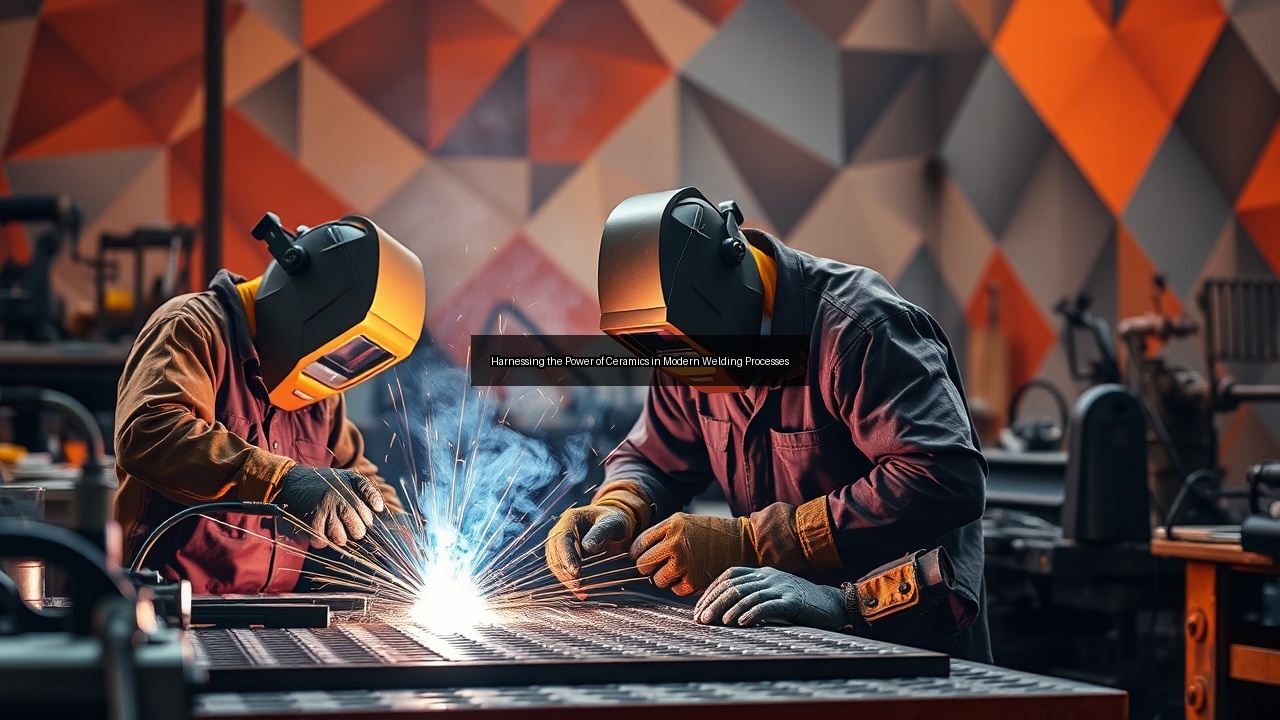
The future of welding helmets may also lie in the integration of ceramics, offering enhanced protection and functionality for welders. As welding processes evolve, so do the demands on protective gear. Ceramics can provide superior heat resistance and durability, ensuring that welders remain protected in high-temperature environments. Innovations such as lightweight ceramic composites could lead to more comfortable helmets that do not compromise on safety. As the industry embraces new materials, the potential for ceramics in protective gear will likely expand, paving the way for safer and more effective welding operations. The combination of ceramic technology and protective gear symbolizes a promising direction for the future of welding safety and efficiency.